The Pap in Smear
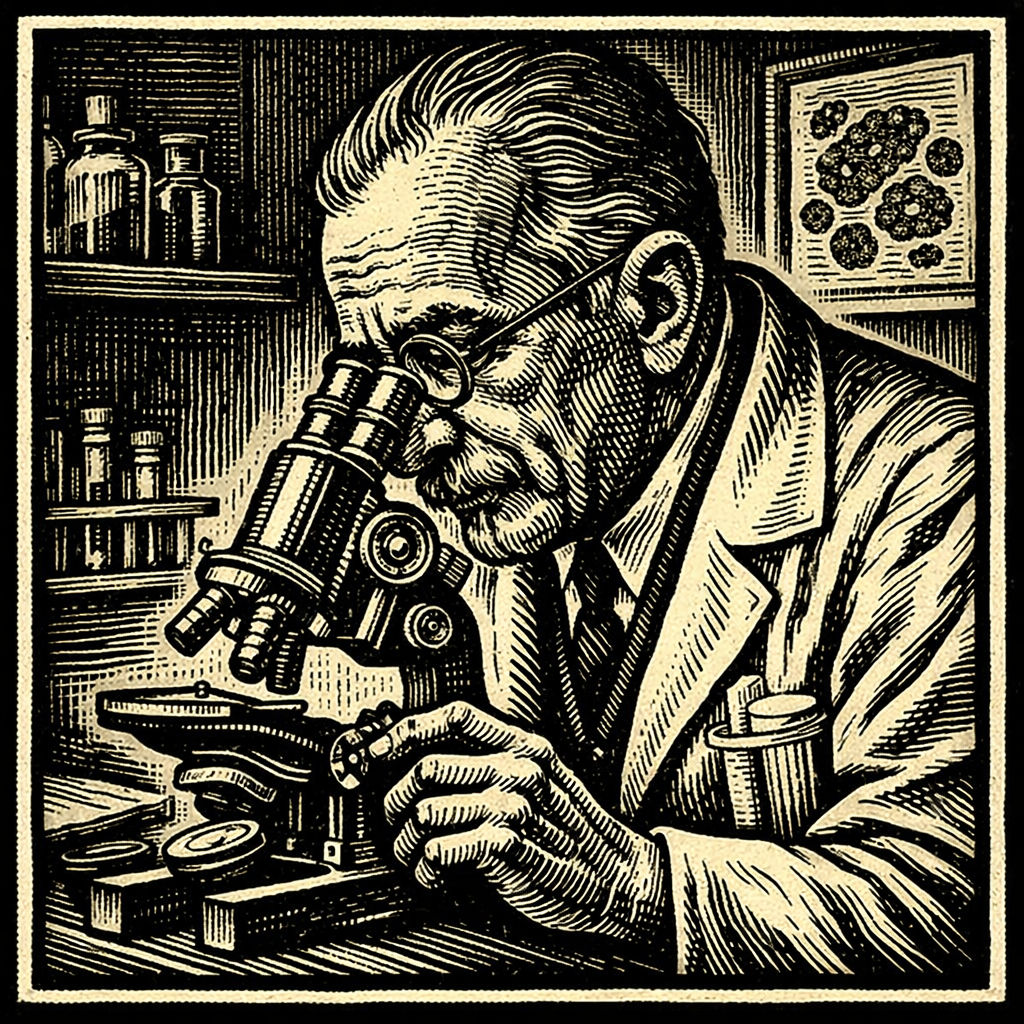
February 19, 1962 — Georgios Papanikolaou, the Greek-born physician who pioneered the Pap smear, died on this day.
In 1928 he demonstrated that cervical cancer could be detected through microscopic examination of vaginal cells — a revolutionary idea that was initially dismissed.
After further research and publication in the 1940s, the “Pap test” gradually gained acceptance. By the 1950s it was becoming routine in the United States.
The introduction of widespread screening led to a dramatic decline — roughly 60–70% — in cervical cancer mortality in countries that adopted the test.
Though Papanikolaou did not live to see the full global impact of his work, the Pap smear remains one of the most successful cancer screening tools in medical history.